
Botox: Everything You Need to Know Before Your First Treatment

21
Aug
2026
If you have started noticing fine lines between your eyebrows, horizontal forehead lines, or crow’s feet around your eyes, you’ve probably thought about Botox. It remains the gold standard for smoothing out expression lines, but taking the plunge for the first time can feel a little intimidating.
Botox is a minimally invasive injectable that temporarily relaxes the specific facial muscles responsible for creating "dynamic wrinkles"—the lines formed when you make facial expressions. Instead of adding volume or changing your face shape, it simply calms down repetitive muscle movements so your skin has a chance to smooth itself out.
Whether you're ready to book an appointment or just researching options, here is a complete guide to how Botox works, what to expect during your first visit, and how to get natural-looking results.
What Is Botox?
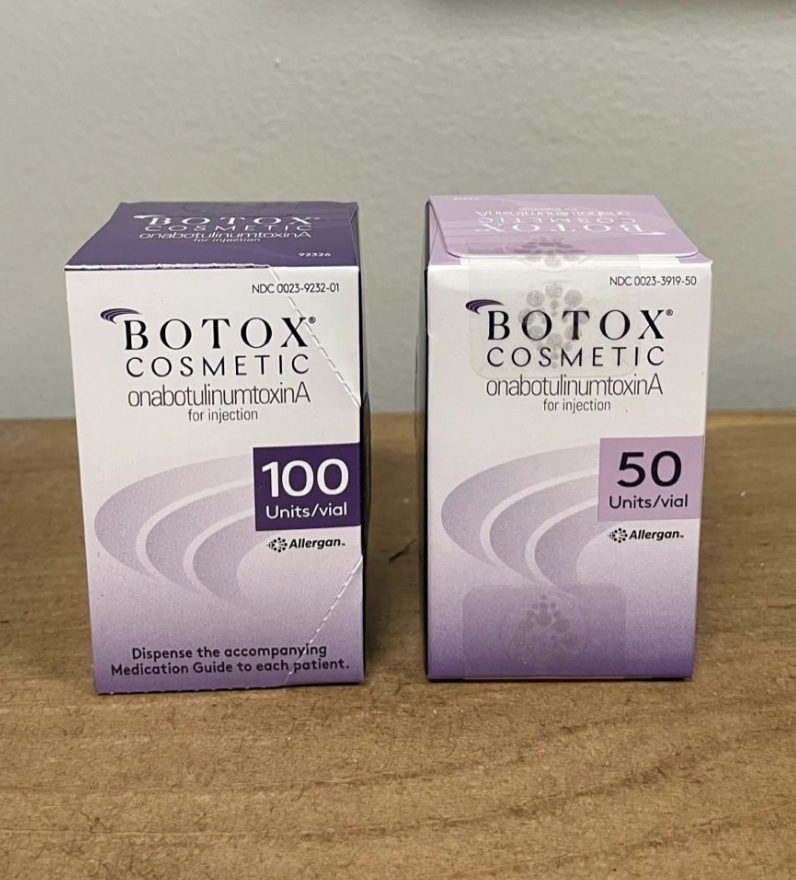
Botox is a purified form of botulinum toxin type A. Used in tiny, precisely measured doses, it temporarily blocks the nerve signals that tell your facial muscles to contract. When those muscles take a break, the skin resting on top of them relaxes, softening the appearance of existing lines and preventing new ones from forming.
The key word here is temporary. Botox won't permanently freeze your face or erase the unique expressions that make you look like you. When administered by a skilled provider, the goal is never to look expressionless—it is to reduce overactive muscle pulling so you look well-rested and refreshed.
While it is most famous for treating the upper face (forehead lines, frown lines between the brows, and crow's feet), an experienced injector can also use it for subtle tweaks around the mouth, chin, and neck.
How Does Botox Actually Work?
To understand how Botox works, think about how dynamic wrinkles form in the first place. Every time you smile, frown, squint, or raise your eyebrows, the skin on your face folds. When you are younger, your skin has plenty of collagen and bounce, so it snaps right back into place without leaving a trace. As collagen production slows down with age, those repeated folds start turning into permanent creases.
Botox works by interrupting the signal between your nerves and the target muscles:
1. Targeted Relaxation: The injected muscle still exists, but its ability to contract forcefully is dialed back.
2. Skin Recovery: Because the muscle underneath isn't pulling as hard, the overlying skin stops creasing. Over time, existing lines soften dramatically.
Botox vs. Dermal Fillers
A common point of confusion is the difference between Botox and fillers.
1. Botox relaxes muscle movement to smooth out expression lines.
2. Fillers use gel-like substances (usually hyaluronic acid) to restore lost volume in places like the cheeks, lips, or under-eyes.
What Areas Can Botox Treat?
Botox is ideal for dynamic wrinkles caused by muscle movement. The three most popular treatment zones are:
1. Forehead Lines: The horizontal lines that show up when you raise your eyebrows.
2. Frown Lines: The vertical creases between your eyebrows that appear when you concentrate or frown.
3. Crow’s Feet: The small fan-like lines radiating from the outer corners of your eyes when you laugh or smile.
Depending on your facial structure, your provider might also suggest Botox for a gummy smile, chin dimpling, or relaxing tight jaw muscles (masseters).
Key Benefits of Botox:
It is easy to see why Botox remains one of the most popular aesthetic treatments in the world:
1. Smooths Wrinkles Without Surgery: No incisions, no anesthesia, and no scars.
2. Maintains Your Natural Look: When done correctly, you still look like yourself—just less stressed or tired.
3. Acts as Preventive Skincare: By catching expression lines early, you prevent deep, permanent creases from etching into your skin later on.
4. Quick & Convenient: The actual injections take less than 15 minutes, making it easy to fit into a lunch break.
5. Zero Real Downtime: You can walk out of the clinic and get right back to your day.
Who Is an Ideal Candidate?
Botox is a great fit for adults looking to address early-to-moderate dynamic facial lines without surgery.
You are likely a good candidate if:
1. You want to soften existing expression lines or prevent them from getting deeper.
2. You have realistic expectations about subtle, natural enhancement.
3. You need a treatment with no recovery window.
When Botox might not be the answer:
Botox won't fix "static wrinkles"—lines caused by sun damage, gravity, or deep collagen loss that remain visible even when your face is completely relaxed. Those usually respond better to laser resurfacing, microneedling, or dermal fillers.
What Happens During Your First Appointment?
1. Facial Mapping
Your provider will sit down with you, look at your facial movement, and ask you to make various expressions—frowning, squinting, and raising your brows. This helps them identify your specific muscle patterns and plan exact injection points.
2. The Injections
After cleansing your skin, your provider uses an ultra-fine needle to administer small amounts of Botox into the targeted muscles. The injections are over in a flash.
3. Sensation
Most people describe the feeling as a quick, mild pinch or a tiny bug bite. You might feel a little pressure, but it is rarely described as painful, and numbing cream is usually unnecessary.
Recovery and Simple Aftercare
One of the biggest perks of Botox is that there is virtually no recovery time. You might have tiny, mosquito-bite-like bumps at the injection sites immediately afterward, but these usually vanish within 20 to 30 minutes.
Standard Aftercare Tips:
* Stay Upright: Keep your head elevated and avoid lying flat for at least 4 hours post-treatment.
* Don't Touch: Avoid rubbing, massaging, or applying heavy pressure to your face for 24 hours to prevent the product from migrating to unintended muscles.
* Skip Heavy Workouts: Hold off on strenuous exercise, hot tubs, saunas, and intense heat for 24 hours.
When Will You See Results?
Botox does not work instantly—it requires a little patience.
1. Days 3 to 5: You'll start noticing a slight stiffness or reduction in muscle movement in the treated areas.
2. 7 to 10 Days: Skin begins to look visibly smoother as the muscles fully settle into relaxation.
3. Two Weeks: The full results are visible. Most providers recommend waiting two full weeks before evaluating your final look or booking a touch-up.
How Long Do Results Last?
Botox results typically last between 3 and 4 months.
Because your body naturally metabolizes the protein, nerve signals will gradually return to the muscle over time. As movement comes back, lines will slowly reappear. To maintain your smooth finish, most people schedule maintenance visits 3 to 4 times a year.